Essential Steps for Post-Flood Mold Cleanup
Why Mold Follows Floods
When floodwater recedes, it leaves behind more than mud and debris. It leaves a soaked environment where mold can start growing within 24 to 48 hours. I have seen this happen in homes across Fort Worth after heavy rains and flash floods. Even a few inches of water in a basement can turn drywall and insulation into a breeding ground for mold. The key is to act fast, but also to act smart. Rushing into post-flood mold cleanup without the right approach can spread spores deeper into your home and make the problem worse.
Mold is not just an eyesore. It can trigger asthma attacks, cause allergic reactions, and irritate your respiratory system. Black mold, in particular, gets a lot of attention for its potential health effects, but any mold growing indoors is a concern. The EPA and OSHA both recognize the risks of indoor mold growth, especially after flooding. They recommend prompt and careful removal. That is why understanding the proper steps for post-flood mold cleanup is so important for homeowners and property managers alike.
Safety First: Protective Gear and Air Quality
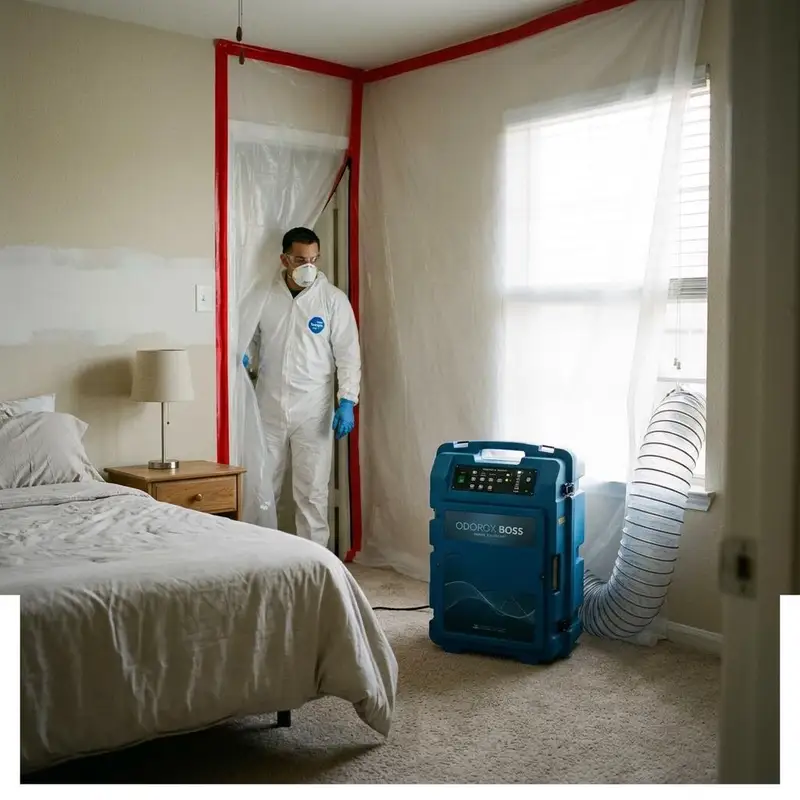
Before you start any cleanup, you need to protect yourself. Mold spores become airborne when disturbed, and breathing them in can cause immediate problems. I always tell people to wear protective gear, including an N95 respirator or a mask rated for mold, goggles, and gloves. If you have a pre-existing respiratory condition, it is best to stay out of the affected area until the cleanup is done by professionals. OSHA guidelines for mold remediation stress the need for proper ventilation and personal protective equipment. Open windows and doors to bring in fresh air, but seal off the work area from the rest of the house to prevent cross-contamination.
Drying Out the Space
Mold needs moisture to thrive. Remove that moisture, and you remove the mold's lifeline. The first step after a flood is to get the space as dry as possible. If the weather allows, open all windows and doors. Use fans to increase airflow. A dehumidifier is your best friend here. Place one in the center of the room and let it run continuously. I have seen dehumidifiers pull gallons of water out of the air in a single day in a flooded basement. A moisture meter is also a valuable tool. It lets you check whether wood, drywall, and other materials are still wet. Do not assume something is dry just because the surface feels dry to the touch. Moisture can wick deep into porous materials.
Removing Contaminated Materials
Once the space is as dry as possible, it is time to remove anything that cannot be saved. Porous materials like drywall, insulation, carpet, and padding that have been soaked by floodwater need to come out. Floodwater is not clean water. It carries bacteria, sewage, and chemicals. Even if the water came from a burst pipe or rain, it has likely picked up contaminants along the way. Cutting drywall at least 12 inches above the visible water line is a standard practice. This ensures you remove the hidden moisture that wicked upward. Bag and dispose of these materials promptly. Do not let them sit in the house, because they will continue to release mold spores.
Non-porous items like metal, glass, and hard plastics can often be cleaned and disinfected. But be careful with wood. If it is structural and has been wet for more than a few days, you may need a mold remediation specialist to assess whether it can be saved. I once worked on a house where the hardwood floors looked fine after a flood, but the subfloor underneath was saturated. We had to pull up the entire floor to prevent mold from growing up through the cracks.
Cleaning and Disinfecting
After removing the porous materials, you need to clean the remaining surfaces. Many people reach for bleach first, thinking it kills everything. The EPA advises caution with bleach. On porous surfaces like wood or unsealed concrete, bleach may not penetrate deep enough to kill mold roots. It also releases harsh fumes. A better option for many surfaces is a commercial fungicide or a mixture of water and detergent. Scrubbing with a brush helps physically remove the mold. For stubborn growth, you may need to repeat the process. Always let the cleaning solution sit for the recommended contact time before rinsing.
After cleaning, use a HEPA vacuum to capture any remaining spores. Regular vacuums blow fine particles back into the air. A HEPA vacuum traps those particles. This step is critical in post-flood mold cleanup because it reduces the airborne allergens that can trigger asthma and other respiratory issues. I always recommend vacuuming the entire area, including walls and ceilings, after the cleaning is done.
Preventing Regrowth
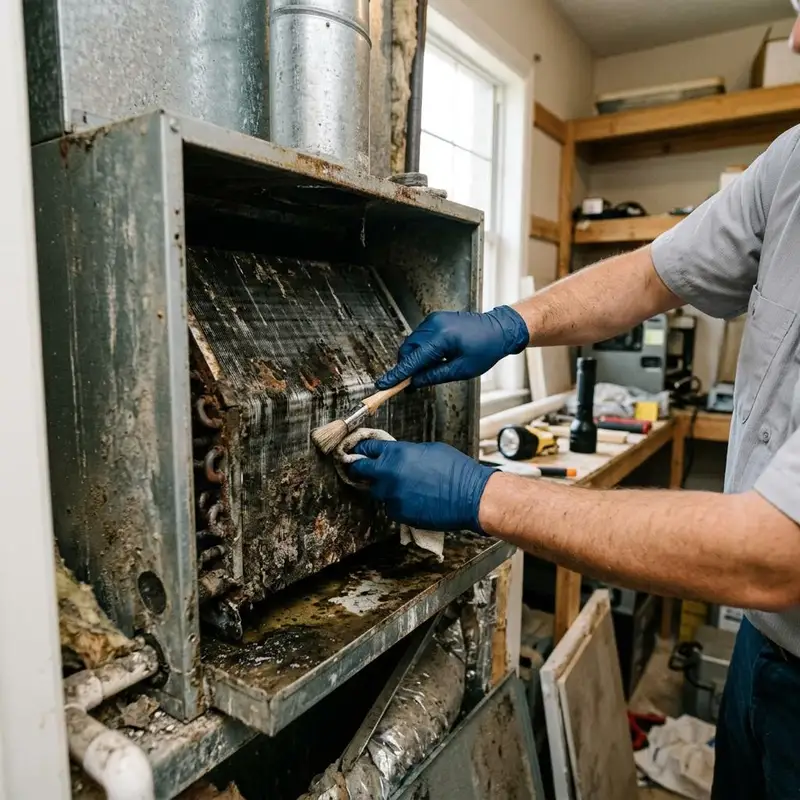
Cleaning the visible mold is only half the battle. If you do not control the moisture, the mold will come back. After the cleanup, monitor the humidity levels in your home. A dehumidifier should run until the relative humidity stays below 50 percent. Check for hidden moisture in crawlspaces, behind walls, and in the HVAC system. If your HVAC system was flooded, it likely needs professional cleaning or replacement. Forced air can blow mold spores throughout the house if the ducts and coils are contaminated.
Consider using a mold testing kit to check the air quality after the cleanup. These kits can give you a snapshot of whether the spore levels are still elevated. They are not a substitute for professional assessment, but they can provide peace of mind. If you have a basement that floods repeatedly, think about long-term solutions like a sump pump or waterproofing the walls. In some cases, replacing drywall with mold-resistant materials is worth the extra cost.
When to Call in Professionals
Not every flood damage situation is a DIY project. If the floodwater was contaminated with sewage, if the area is larger than about 10 square feet of visible mold, or if you have health concerns, call in a professional mold remediation company. They have the equipment and training to handle large-scale water damage restoration safely. They can also test for hidden mold inside walls and under floors. I have seen homeowners make the mistake of thinking they can handle a big job with just a bucket of bleach and a sponge. That approach often fails, and the mold returns worse than before.
Post-flood mold cleanup is not a one-size-fits-all process. It requires judgment. You need to decide what can be saved, what must be thrown away, and how to dry the structure completely before closing everything back up. A moisture meter and a HEPA vacuum are good investments if you plan to do the work yourself. But if you are uncertain, err on the side of caution and bring in a specialist. The cost of professional remediation is small compared to the health risks and property damage of leaving mold to grow unchecked.
Final Thoughts
Floods are stressful, and the cleanup can feel overwhelming. But taking the right steps from the start makes a huge difference. I have been in many homes after floods, and the ones that dry out fast and get proper cleaning almost always avoid major mold problems. The ones that sit wet for a week or more often end up with extensive damage. The first 48 hours are critical. Use that time to remove water, increase airflow, and start removing wet materials. Do not wait for the weekend or for a break in the weather.
Remember, mold is not just a surface problem. It grows inside materials and releases spores that can affect your health for months. By following the proper procedures for post-flood mold cleanup, you are protecting your home and your family. Use the tools and knowledge available: dehumidifiers, HEPA vacuums, moisture meters, and good old-fashioned elbow grease. And when in doubt, ask a professional. Your lungs will thank you.